

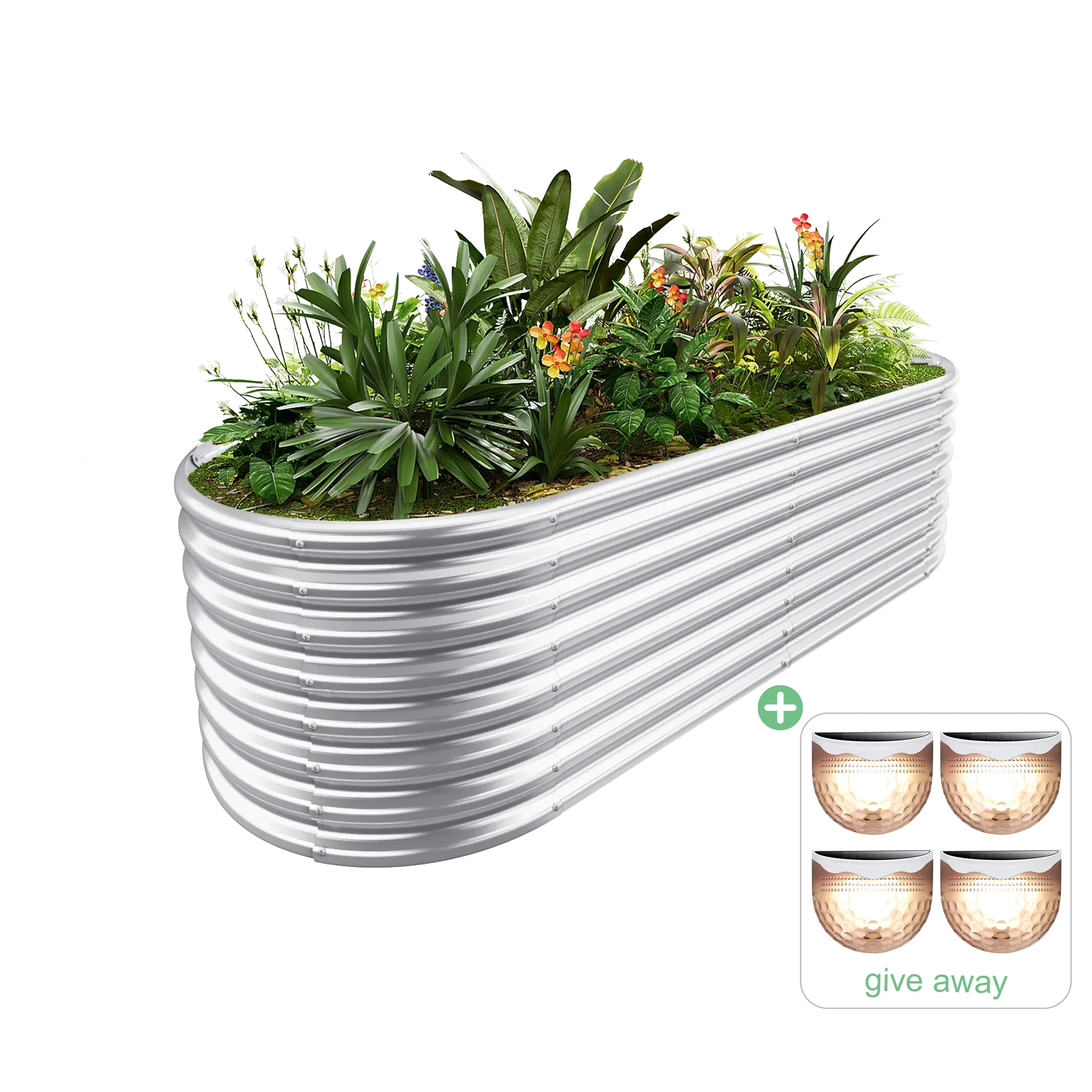
You can jump right into fall planting with a galvanized raised garden bed. The Land Guard 24" Tall Oval model makes this even easier. You get strong galvanized steel that lasts over 20 years. Thick panels help keep your soil warm, so plants grow longer in cooler weather. Smooth walls keep pests out, while the open-base design lets roots grow deep. This bed uses 100% recyclable materials and comes in fun colors. Gardening feels simple and enjoyable for everyone, no matter your skill level.
Key Takeaways
- Choose a galvanized raised garden bed for durability. It lasts 20 to 30 years, reducing the need for repairs.
- Prepare your garden bed by clearing old plants, removing weeds, and testing soil. Healthy soil leads to strong plants.
- Select cool-season crops like kale and carrots for fall planting. These thrive in cooler weather and provide fresh harvests.
- Use row covers and mulch to protect plants from frost and retain soil moisture. This extends your growing season.
- Implement a regular maintenance routine. Inspect your bed, clean out debris, and prepare for winter to ensure a healthy garden.
Why Galvanized Raised Garden Bed
Benefits
When you choose a galvanized raised garden bed, you get a lot of advantages. The Land Guard 24" Tall Oval model stands out for its strength and long life. Galvanized steel lasts much longer than wood or plastic. You can expect your bed to stay strong for 20 to 30 years. That means you spend less time worrying about repairs and more time enjoying your garden.
- Galvanized steel lasts 20 to 30 years, much longer than wood or plastic.
- Durable Greenbeds also last about 25 years or more, but galvanized steel is known for its toughness.
- You get a garden bed that keeps its shape and resists rust, even in wet fall weather.
You also help the environment when you pick a galvanized raised garden bed. The Land Guard bed uses 100% recyclable materials. You can feel good knowing your garden supports sustainable practices.
Using galvanized roofing panels for raised garden beds is a sustainable choice as galvanized steel resists corrosion, maintains its shape, and lasts for decades.
The open-base design lets roots grow deep and healthy. Your plants get the space they need to thrive. You can pick from colors like Starlight Silver, Forest Green, or Modern Gray to match your garden style.
Features
Setting up your Land Guard 24" Tall Oval galvanized raised garden bed is easy. You get all the hardware and a clear instruction manual. The tall, oval shape gives you plenty of room for plants and makes gardening comfortable. You do not need to bend or kneel as much, so your back and knees stay happy.
If you ever have questions, you can reach out to customer support any time. Land Guard offers 24/7 help, so you always have someone to assist you.
- Customer support is available 24/7.
- You can contact the team for any questions or concerns.
With these features, your gardening experience becomes simple and enjoyable. You get a strong, eco-friendly, and stylish bed that makes fall planting easy.
Bed Preparation
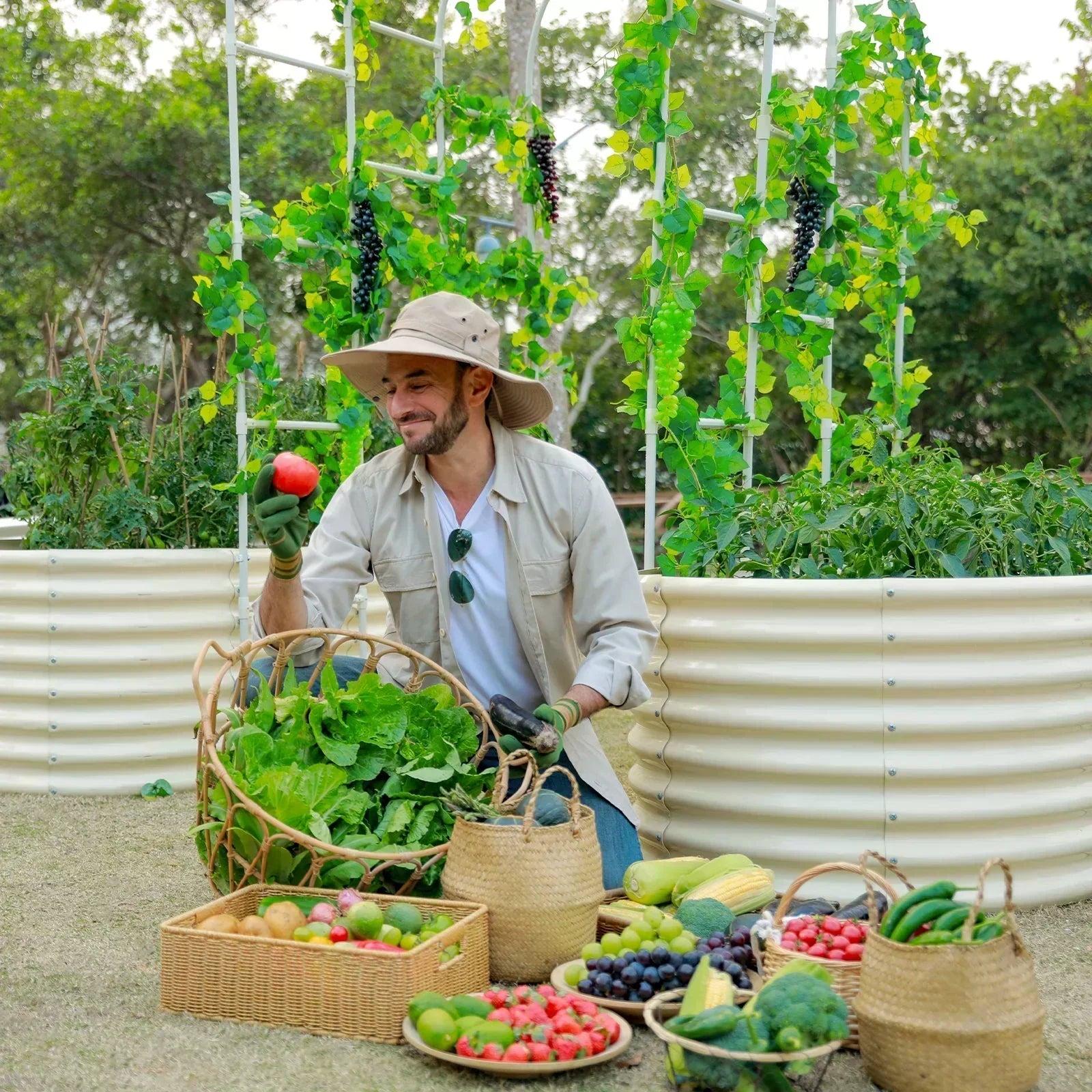
Getting your galvanized raised garden bed ready for fall planting is easy and rewarding. You can follow these steps to make sure your plants have the best start.
Clear Old Plants
Start by removing any plants left from the summer. Pull out old stems, roots, and leaves. This helps prevent diseases and pests from sticking around. If you see healthy plant material, you can compost it for later use. If you spot any diseased plants, throw them away to keep your garden healthy.
Remove Weeds
Next, check for weeds. Pull them out by hand or use a small garden tool. Make sure you get the roots so they do not grow back. Weeds can steal water and nutrients from your fall crops, so it is best to clear them out now.
Test Soil
Now is a great time to test your soil. You can use a simple soil test kit from a garden store. Testing tells you if your soil needs more nutrients or if the pH is off. Healthy soil helps your plants grow strong and resist disease.
Add Amendments
After testing, you can add soil amendments to boost your garden bed. Fall is perfect for building soil health. Try mixing in compost made from fall leaves and grass clippings. Rabbit manure works well because it will not burn your vegetables. Horse manure mixed with old farm soil also improves quality. Many gardeners like to use Mel’s Mix, which blends compost and vermiculite for good drainage and nutrients.
Here is a simple way to layer your bed for fall:
- Place branches, twigs, and sticks at the bottom. These break down over time and enrich the soil.
- Add a layer of old compost or potting mix. This fills gaps and keeps the soil from settling too much.
- Spread a layer of old leaves for extra organic matter.
- Top it off with a blend of 75% compost and 25% vermiculite. This mix holds moisture and drains well.
- When you plant, space your seedlings about 12 inches apart. Add worm castings and organic fertilizer to each hole for a nutrient boost.
Tip: If you want to save time on watering, you can set up an automatic irrigation system now.
Mulch
Finish by adding mulch to your garden bed. Shredded leaves work well as mulch in a galvanized raised garden bed. Mulch keeps the soil moist and helps regulate temperature, which is important as the weather cools. Take a look at the table below to see how mulch helps:
| Benefit/Consideration | Description |
|---|---|
| Moisture Retention | Shredded leaves can effectively retain moisture in the soil of raised beds. |
| Temperature Regulation | Helps regulate soil temperature, which is beneficial for plant health. |
| Nitrogen Draw | Leaves may draw some nitrogen from the soil, affecting shallow-rooted plants. |
If you use a lot of leaves, you might want to add a little extra nitrogen to help your plants.
The 24" tall design of your Land Guard bed makes all these steps easier. You do not have to bend or kneel as much, which is great for your back and knees. If you use a wheelchair or like to garden while seated, you can reach your plants comfortably. The height also lets you move around the bed easily and care for your garden without strain.Tip: Plant a mix
With your bed prepared, you are ready to plant and enjoy a healthy, productive fall garden.
Crop Selection
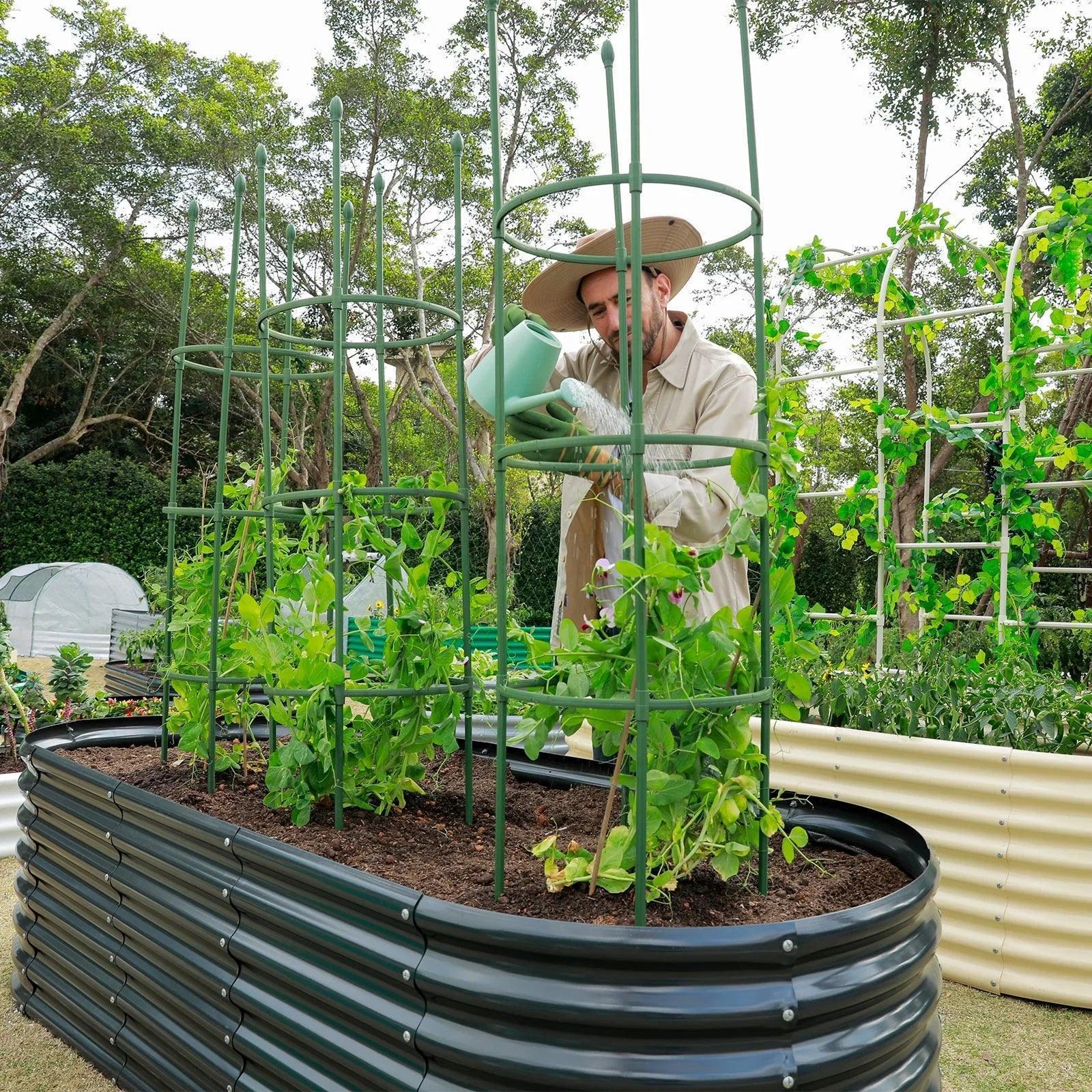
Choosing the right crops for your fall garden makes a big difference. You want plants that love cooler weather and keep growing even as the days get shorter. Your galvanized raised garden bed gives you a great spot to try new vegetables and herbs. Let’s look at some top picks for fall planting.
Cool-Season Greens
You can fill your garden bed with greens that thrive in chilly temperatures. These plants grow fast and taste best when the weather cools down. Here are some favorites you can plant:
- Kale
- Spinach
- Lettuce
- Swiss Chard
- Cabbage
- Broccoli
- Cauliflower
- Peas
Kale and spinach handle frost well. Lettuce and chard give you fresh salads for weeks. Broccoli and cauliflower need a little more space, but they reward you with big harvests. Peas climb easily and add sweetness to your meals.
Tip: Plant a mix of greens so you always have something ready to pick. If you stagger your planting every two weeks, you can enjoy fresh leaves all season.
Root Vegetables
Root crops do well in fall because they like cool soil. You can dig up crunchy snacks and hearty veggies before winter arrives. Try these in your raised bed:
- Carrots
- Beets
- Radishes
Carrots grow long and sweet in loose soil. Beets add color and flavor to your table. Radishes mature quickly, so you can plant them several times for a steady supply.
| Root Vegetable | Days to Harvest | Notes |
|---|---|---|
| Carrots | 60-80 | Sweet flavor in fall |
| Beets | 50-60 | Good for roasting |
| Radishes | 25-30 | Fast and easy to grow |
You can plant root vegetables in rows or scatter seeds for a natural look. Make sure you keep the soil moist for best results.
Herbs
Herbs bring flavor and fragrance to your garden. Many herbs grow well in cooler months. You can pick fresh leaves for cooking or drying. Here are some herbs to try:
- Cilantro
- Parsley
- Sage
- Thyme
Cilantro and parsley grow quickly and taste best in fall. Sage and thyme stay green even after frost. You can tuck herbs between your vegetables or plant them along the edges.
Note: Herbs like sage and thyme need less water than leafy greens. Check the soil before you water to keep them healthy.
Rotation
You want your garden to stay healthy year after year. Crop rotation helps your soil stay rich and prevents diseases. Here’s how you can plan your rotation:
- Change the spot for each plant family every year. For example, move brassicas (like cabbage and broccoli) to a new area next season.
- Group plants by family. Nightshades, legumes, and brassicas use different nutrients.
- Try a three or four-year cycle. This keeps your soil strong and reduces the risk of soil-borne problems.
If you rotate your crops, you give your plants the best chance to grow strong. You also make your galvanized raised garden bed last longer because the soil stays healthy.
Callout: Succession planting works well with crop rotation. If you plant new seeds every few weeks, you keep your garden full and productive. You can harvest fresh veggies right up until the first frost.
With these choices, you can enjoy a colorful, tasty, and healthy garden all fall. Your raised bed makes it easy to try new crops and keep your soil in top shape.
Layout Planning
Space Use
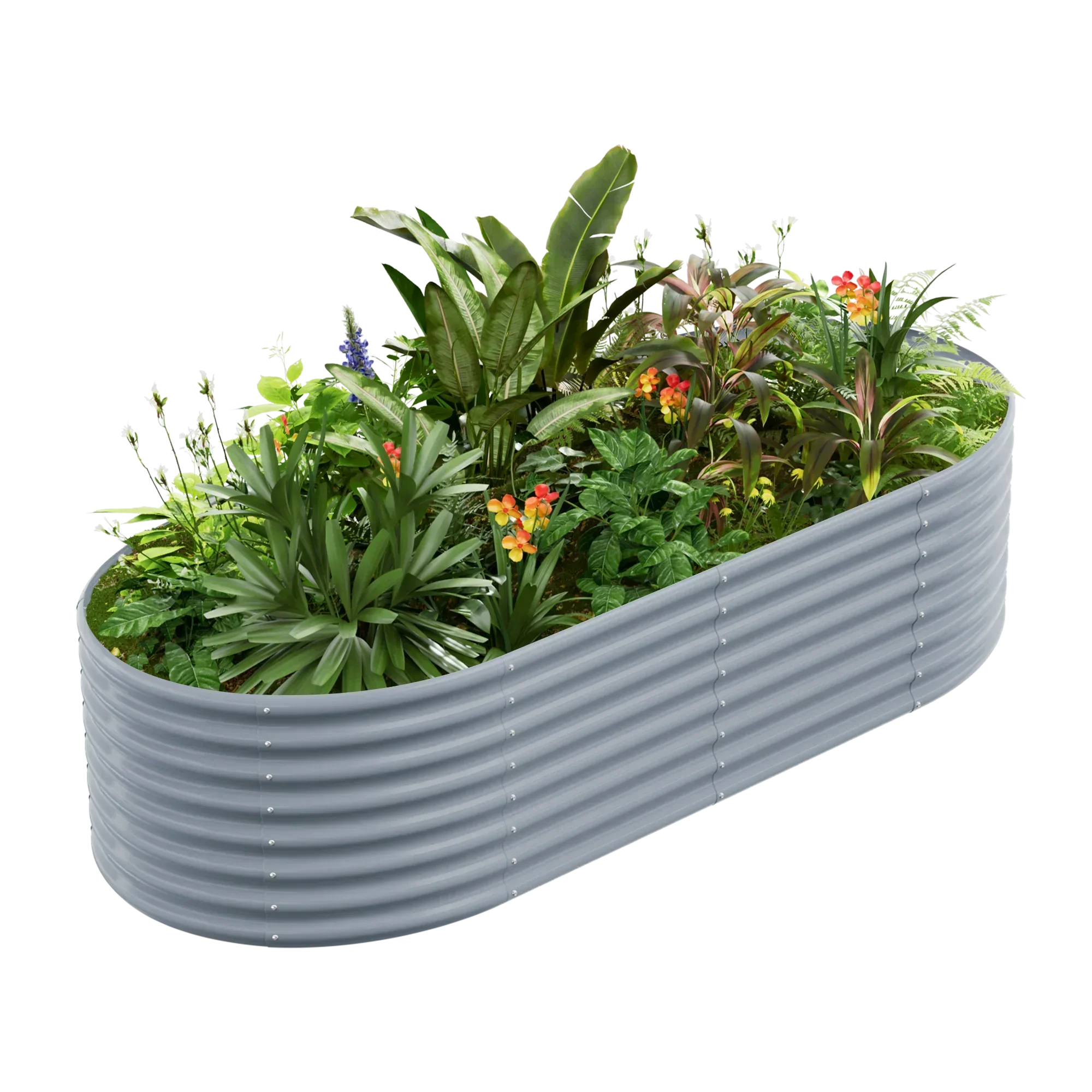
You want to get the most out of your Land Guard 24" Tall Oval bed. The oval shape gives you more planting area than a rectangle of the same length. You can reach every spot from the sides, so you never have to step inside and compact the soil. Try planting taller crops like kale or broccoli in the center. Put shorter plants, such as lettuce or radishes, around the edges. This way, sunlight reaches all your crops, and you make use of every inch.
Here’s a quick tip: Group plants with similar water needs together. You save time and keep your garden healthy.
A simple table can help you plan your space:
| Center Plants | Edge Plants |
|---|---|
| Kale | Lettuce |
| Broccoli | Radishes |
| Swiss Chard | Spinach |
Companion Planting
Companion planting helps your garden thrive. You can pair certain plants to boost growth and keep pests away. Nasturtiums work well in raised beds. They attract pollinators and help manage aphids. Calendula brings in beneficial insects and grows nicely with carrots and potatoes. Raised beds offer great soil and drainage, so your companion plants stay strong through fall.
Here are some winning combinations:
- Nasturtiums with broccoli or kale
- Calendula with carrots or potatoes
- Lettuce with onions to deter pests
Planting flowers among your veggies makes your garden look beautiful and helps your crops stay healthy.
Succession
Succession planting keeps your garden productive. You don’t have to harvest everything at once. Sow the same crop every 7 to 14 days. This gives you a steady supply of fresh veggies. Mix fast-growing crops like radishes with slower ones like carrots. Relay planting works too. After you pick one crop, plant another with similar needs in the same spot.
- Stagger lettuce or spinach plantings for non-stop salads.
- Interplant radishes with carrots for double harvests.
- Follow peas with leafy greens for a smooth transition.
You keep your garden full and your table stocked all season. 🌱
Season Extension
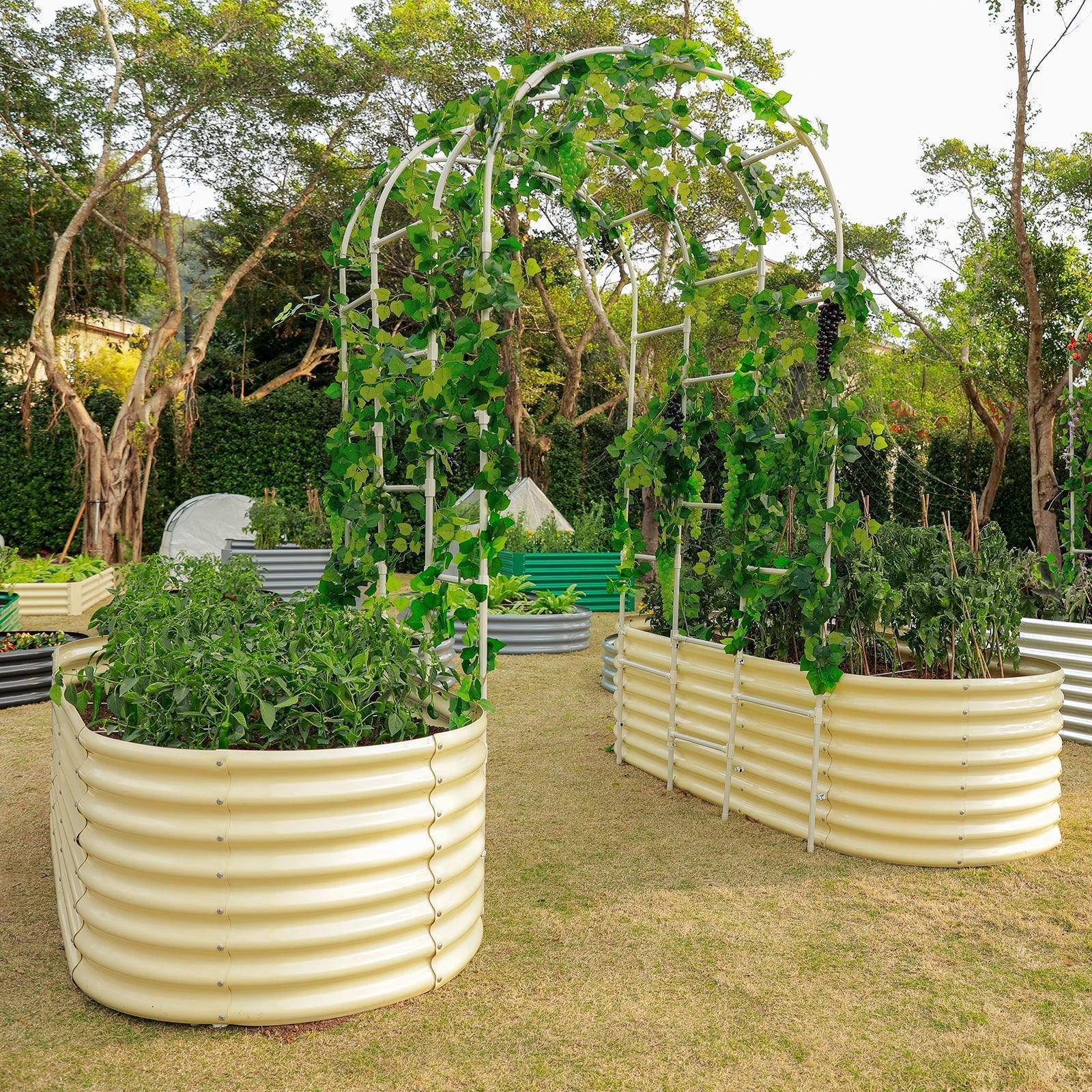
Fall weather can change quickly. You want your plants to keep growing, even when the nights get cold. Season extension tools help you do just that. Let’s look at some easy ways to protect your crops and stretch your harvest.
Row Covers
Row covers act like cozy blankets for your plants. You can choose from several types:
- Heavy plastic or polyethylene covers block wind and trap heat. They are easy to move when you need to water or harvest.
- Horticultural fleece is light and lets water through. It shields your crops from frost but doesn’t smother them.
- Hoop houses create a mini greenhouse over your bed. They offer strong protection and help you grow more, even when it’s chilly.
- Greenhouses work best if you want to garden all year. They cost more but give you the longest growing season.
You can set up row covers in minutes. Just drape them over hoops or stakes and tuck the edges into the soil. Your plants stay warm and safe.
Tip: Use row covers on cool nights and remove them during sunny days for best results.
Cold Frames
Cold frames look like small boxes with clear lids. You place them right on top of your plants. They do a lot for your garden:
- Cold frames block strong winds and keep out cold air.
- They hold in heat, so your soil stays warmer.
- Plants inside cold frames survive frosty nights better.
- Cold frames also keep pests away and help cool-weather crops thrive.
You can build a cold frame from old windows or buy one ready-made. Just lift the lid to water or pick your veggies.
Frost Protection
Frost can sneak up on you. You want to be ready. Here are some quick ways to protect your plants:
- Cover your crops with old sheets or blankets at night.
- Use mulch to keep the soil warm.
- Water your garden in the afternoon. Wet soil holds heat longer.
Your galvanized raised garden bed helps too. The steel panels trap warmth from the sun during the day and release it slowly at night. This keeps your plants cozy and growing strong, even when the temperature drops.
Note: With these tools, you can enjoy fresh veggies weeks longer than you thought possible!
Watering
Adjust for Fall
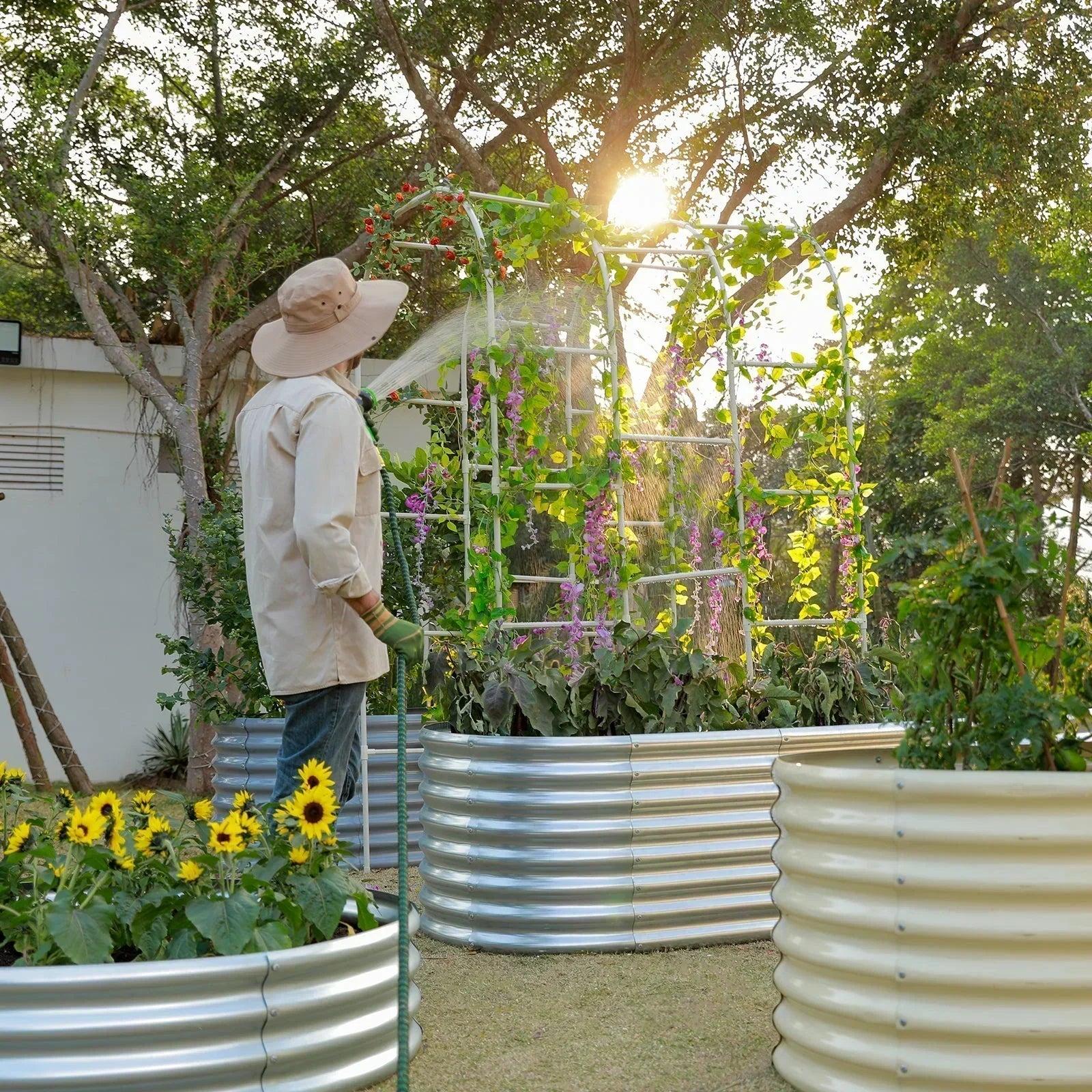
Watering your garden changes as the weather cools down. You do not need to water as much as you did in summer. Plants use less water when the days get shorter and the sun feels weaker. You should pay attention to the weather and your garden’s needs. Here are some easy ways to adjust your watering schedule:
- Check the soil before you water. If it feels dry about an inch down, it is time to water.
- Watch for wind, humidity, and temperature. Wind dries out the soil faster, while cool, damp days mean you can water less.
- Water more during sunny, warm days. Cut back when temperatures drop.
- Try to water in the morning. This helps plants soak up moisture before the cooler night arrives.
Tip: Use your finger to test the soil. If it feels damp, your plants are happy.
Prevent Overwatering
Overwatering can sneak up on you in fall. Plants do not need as much water, and wet soil can cause problems. You want to keep your garden healthy, so watch for these signs:
- Yellowing leaves
- Rotting roots or stems
If you see these signs, let the soil dry out before you water again. Raised beds drain well, but it is still easy to give your plants too much water. Always check the soil first.
Note: Healthy roots need air as much as water. Too much moisture can hurt your plants.
Irrigation
You can make watering easier with a good irrigation system. Drip lines work well in galvanized raised garden beds. These tubes have small holes that let water drip right to the roots. Drip irrigation saves water and keeps the soil evenly moist. You do not waste water on leaves or paths. Drip lines last a long time and fit any garden size.
A well-designed drip system helps your plants grow strong and gives you bigger harvests. You can set it up once and let it do the work. If you want to save time and water, drip irrigation is a smart choice for fall planting.
Callout: Drip lines are affordable, easy to install, and perfect for busy gardeners. Your plants get just what they need, right where they need it. 🌱
Pest Control
Common Pests
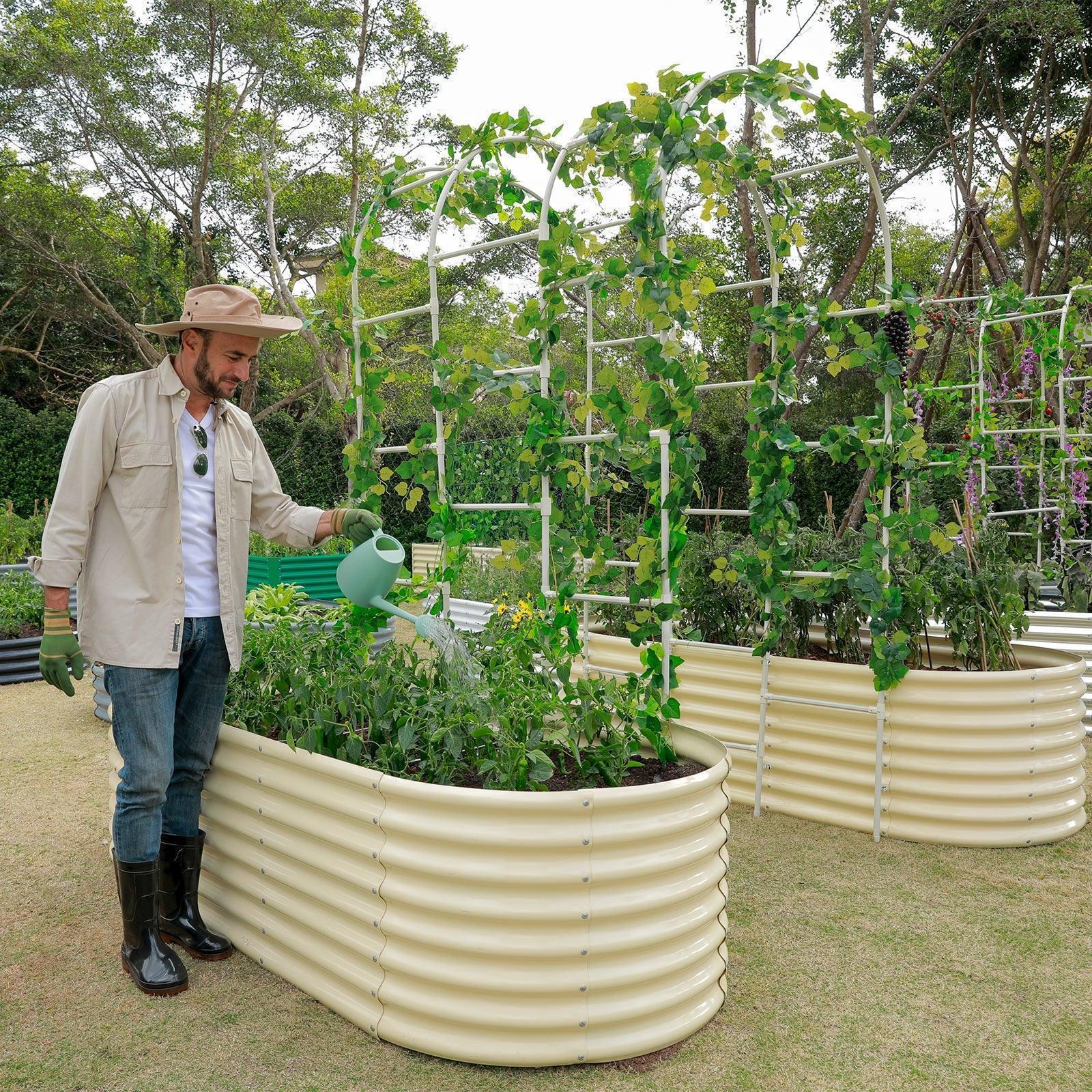
You might notice more bugs in your garden during fall. Raised beds help keep some pests away, but a few still find their way in. Watch out for these troublemakers:
- Aphids
- Slugs
- Squash bugs
- Squash vine borers
- Japanese beetles
- Tomato hornworms
- Cutworms
- Caterpillars
- Flea beetles
- Codling moths
- Thrips
- Mealybugs
- Vine weevils
- Leaf miners
Slugs and aphids show up most often. They love cool, damp weather. You might see them on lettuce, spinach, or cabbage. Caterpillars and hornworms chew through leaves fast. Squash bugs and vine borers target squash and pumpkins. If you spot holes in leaves or sticky spots, pests are probably nearby.
Natural Solutions
You can fight pests without using harsh chemicals. Nature gives you plenty of safe options. Try these simple tricks:
- Pick bugs off by hand. Drop them in soapy water.
- Spread crushed eggshells or diatomaceous earth around plants. Slugs and snails avoid sharp surfaces.
- Attract ladybugs and lacewings. These insects eat aphids and other pests. Plant flowers like marigolds or dill to bring them in.
- Keep your soil healthy. Good soil helps plants resist bugs. Add compost and water the right amount.
- Use row covers to block flying insects. Lightweight fabric keeps pests out but lets air and water in.
Tip: Mix up your planting. Diverse crops confuse pests and make it harder for them to spread.
Disease Prevention
Healthy plants fight off pests and diseases better. You can keep your garden strong with a few easy steps. Remove dead leaves and old plants. Clean up fallen fruit. Rotate crops each year. This stops diseases from building up in the soil. Water early in the day so leaves dry before night. Wet leaves invite fungus and mold.
Check your plants often. Look for spots, wilting, or strange colors. If you see problems, act fast. Remove sick plants to protect the rest. Your galvanized raised garden bed makes it easy to spot trouble and keep your garden healthy. 🌱
Maintenance
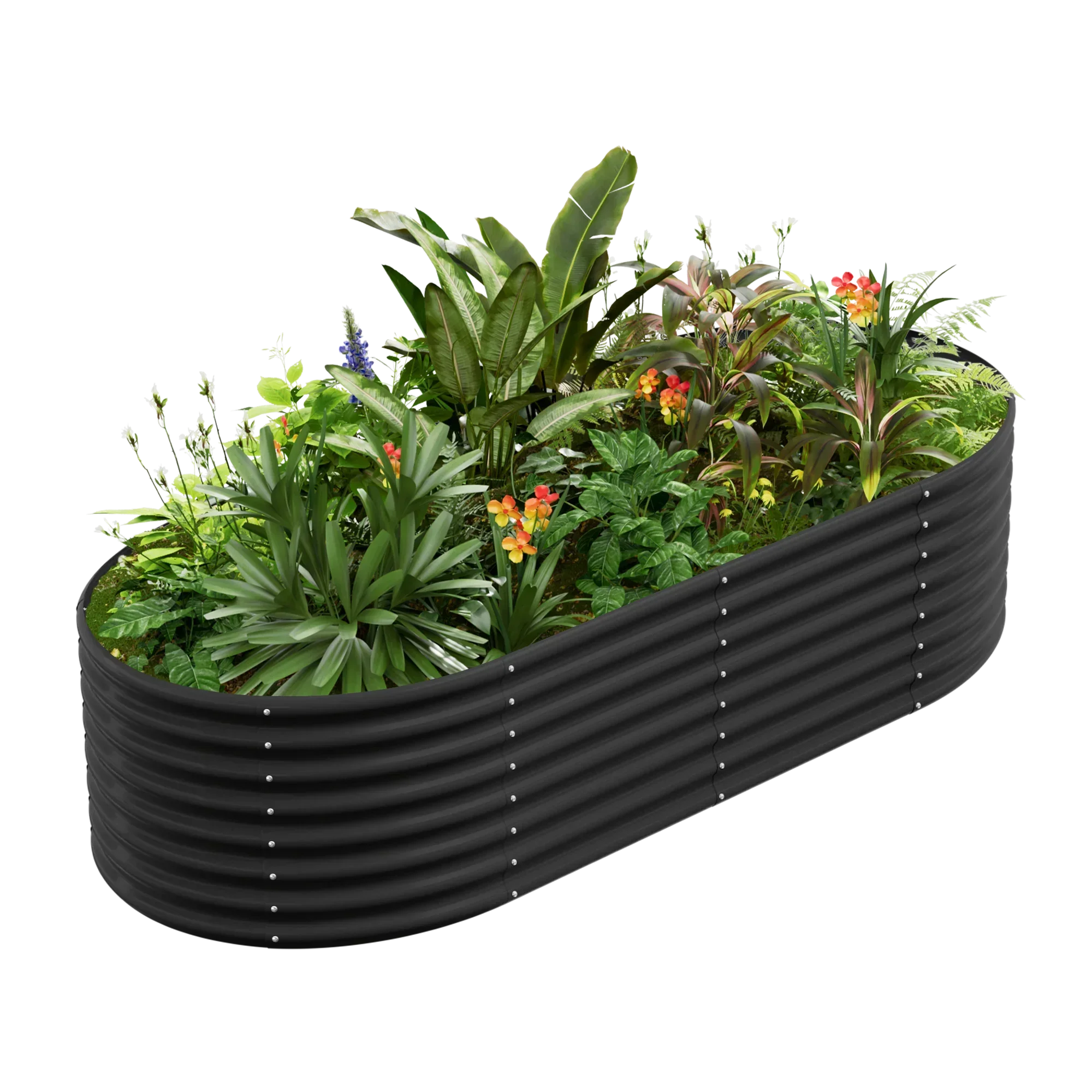
Keeping your galvanized raised garden bed in top shape helps you enjoy a healthy garden year after year. Fall is the perfect time to give your bed some extra care. Let’s walk through the best steps for ongoing maintenance and winter prep.
Inspections
Start with a quick check of your garden bed. Look for any signs of rust, loose bolts, or damage to the panels. Galvanized steel resists rust, but it’s smart to catch small issues early. Walk around your bed and peek inside. Check for pests hiding under leaves or mulch. If you spot any problems, fix them right away. This keeps your bed strong and your plants safe.
Tip: Make inspections a habit every few weeks. You’ll spot trouble before it grows.
Cleanup
A clean garden bed means fewer pests and diseases next season. Here’s a simple cleanup routine:
- Pull out all dead plants and leftover stems.
- Remove weeds so they don’t spread seeds.
- Rake out fallen leaves and debris.
- Test your soil to see if it needs more nutrients.
- Add compost or manure to enrich the soil.
- Mix the soil well to spread nutrients evenly.
- Apply a fresh layer of mulch to protect roots and hold moisture.
Don’t forget your tools! Wash and dry them before storing. Clean tools last longer and help prevent disease.
Winter Prep
Get your bed ready for winter with a few easy steps:
- Clear out any remaining plant material.
- Add a thick layer of compost or organic matter to feed the soil.
- Cover sensitive plants with frost blankets or row covers.
- Check that the soil is moist but not soggy.
- Use straw or leaves as extra insulation for plant roots.
Callout: A little winter prep now means your garden bed will be ready for spring planting. Your Land Guard bed’s sturdy design makes these steps quick and easy!
With regular care, your galvanized raised garden bed will stay beautiful and productive for many seasons.
You can make fall planting easy and rewarding with a galvanized raised garden bed. Here are some key tips:
- Raised beds help you control soil quality and reduce extra work.
- Fall is the best time to plan and prepare for spring.
- Garlic grows well in fall and benefits from mulch.
Check out how Land Guard beds make gardening simple:
| Feature | Description |
|---|---|
| Durability | High-quality steel stands up to weather year after year. |
| Ease of Use | Quick setup with clear instructions and all hardware included. |
| Comfort | 24-inch height means less bending and easier care for your plants. |
Start your fall garden with confidence and enjoy every step!
[[related_products_1]]
FAQ
Can I leave my galvanized raised garden bed outside all winter?
Yes, you can leave your bed outside. Galvanized steel resists rust and cold. You do not need to move it or cover it. Your bed will stay strong through snow and rain.
What soil mix works best for fall planting?
You get great results with a mix of compost, vermiculite, and garden soil. Try 75% compost and 25% vermiculite. This blend holds moisture and gives roots room to grow.
How do I keep my plants safe from frost?
Cover your plants with row covers or old sheets at night. Mulch helps keep the soil warm. Water in the afternoon to hold heat longer. Your raised bed also traps warmth.
Can I grow root vegetables in a tall oval bed?
Yes, you can grow carrots, beets, and radishes. The tall design lets roots grow deep and straight. You get bigger, healthier vegetables in loose, rich soil.
Do I need to clean my bed before spring?
You should clean out old plants, weeds, and debris. Add fresh compost and mulch. Check for loose bolts or damage. A clean bed helps your new plants grow strong.


